Type beat или custom production which route fits your sound better
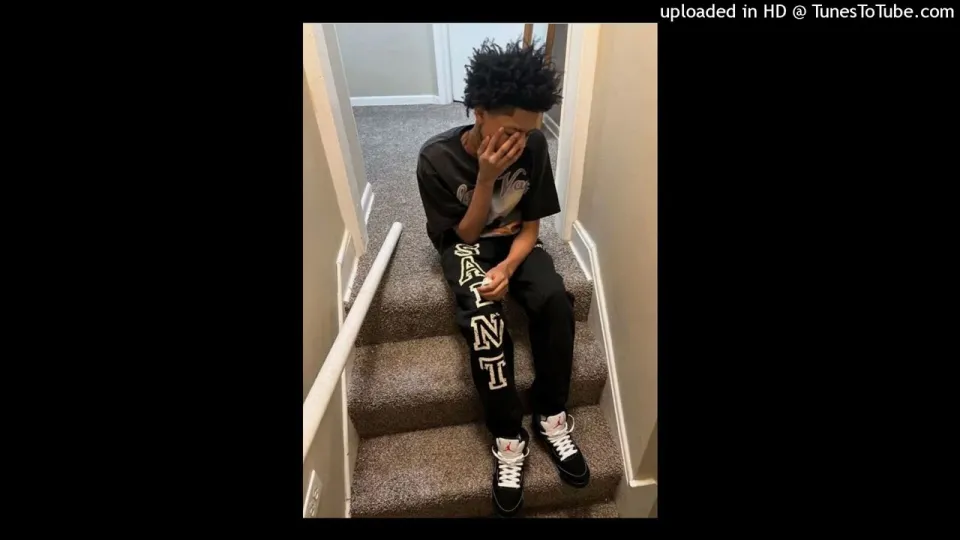
Video: [FREE] lil tony + fullychop type beat - "really rich"
Need articles like this for your video? They help promote it on YouTube and Google — order them in the Telegram bot @sat_sit_bot. It writes articles around your video, embeds the video and publishes them on popular niche websites (no ads). Your first 50 articles are free.
· based on the channel prod julioo!
A type beat is an instrumental produced to match the tempo, drum pattern and mood of a specific artist's catalog, so a rapper can record over it without commissioning an original track. For anyone searching the term, the practical choice is simple: grab a free-for-profit type beat when you are testing a sound and crediting the producer in the title, and buy a lease the moment you want distribution on Spotify or Apple Music. The lil tony + fullychop type beat "really rich" from prod julioo! is a working example — 158 BPM, built on an Atlanta drill sample, and downloadable free through https://bsta.rs/qiWLVq for non-profit use.
What a type beat actually is and who makes them
A type beat is a beat tagged with an artist's name to signal its reference point, not a beat that artist recorded. Producers study the tempo range, hi-hat placement, 808 glide and sample selection of a scene, then rebuild that formula as an original instrumental they own outright. That ownership is the whole point: the producer keeps the master, licenses it repeatedly, and the rapper gets a cheap entry point instead of paying for a custom session.
The naming convention does the marketing work. A title like "lil tony type beat" tells a rapper in one glance whether the beat sits in the pocket they already write in, and search results do the rest. Tags such as lil dre6o type beat, raqbaby type beat or lil tony x 2sdxrt3all type beat exist because listeners and artists search by reference, not by chord progression.
How the "really rich" beat is built
Tempo is the first filter, and this one sits at 158 BPM. That range is common in Atlanta drill and sample-driven rap: fast enough for double-time flows, slow enough that half-time writing still lands. Producers use a BPM like 158 to leave room for both a laid-back delivery and a rapid triplet run over the same loop.
The second layer is the sample. Sample type beats flip a loop — often a soul, gospel or R&B phrase — and rebuild the low end around it, which is why the search term "lil tony sample type beat" pulls a different result set than a plain type beat query. The sample carries the emotional tone; the 808 and hat pattern carry the scene.
Third comes the tag and mix. Producers place a vocal tag so the beat cannot be used without credit, then mix the 808 loud enough to survive phone speakers. That is the sound most listeners describe as "raw" or "hard" in the comments, and it is a deliberate engineering choice rather than an accident.
Free for profit versus a paid lease
The license is where most beginners get confused, so read the terms before uploading anything. For this beat the rules are stated plainly:
- Free use is allowed for non-profit work.
- Free for profit is allowed only on platforms that let you credit the producer in the title — SoundCloud and YouTube qualify, and the credit must read "prod. julioo!".
- Spotify, Apple Music and other streaming services require a purchased lease.
- A lease is also the correct move if you plan to monetise heavily, register the song with a distributor, or pitch it to playlists.
In other words, the free download is a demo licence, not a release licence. Rappers who skip this step and upload a free beat to streaming platforms routinely lose the upload, the revenue or both.
Common questions from the comment section
The comment threads on beats like this one repeat the same three anxieties, and each has a straight answer.
"Can I actually make money from a free type beat?" Yes, but only inside the terms. YouTube and SoundCloud uploads with the producer credited in the title are the standard free-for-profit arrangement. Anything that pays through a distributor needs a lease first.
"Is the beat too fast to write on?" 158 BPM is not a wall. Write at half-time and the same instrumental reads as a slow, heavy track; write at full speed and it becomes a double-time drill cut. The tempo supports both approaches.
"What if I want the beat exclusively?" Free downloads and leases are non-exclusive by design, so other artists can use the same instrumental. Exclusive rights require a direct conversation with the producer, usually through the contact link in the description.
"How do I know a type beat is any good?" Judge it on whether you can hear your own flow over it within the first eight bars. If you are still searching for a pocket after a full loop, the tempo or sample is wrong for you, no matter how hard the drums hit.
Building a release around a type beat
A type beat is a starting point, not a finished record, and the artists who get traction treat it that way. Record a reference take first to confirm the pocket, then track the real vocal in a treated space so the 808 does not fight the low end of your voice. Keep the producer credit in the title on every upload, and keep a copy of the licence terms alongside the project files — distributors ask for that paperwork when a track starts earning.
If the song performs, the next step is upgrading the licence before the streaming release, not after. Producers price leases far below custom work precisely because they expect that upgrade path, and a clean licence history makes it easier to clear the same beat for a follow-up single or a remix.
Useful links
- Download and licence the beat: https://bsta.rs/qiWLVq
- Community and feedback: https://discord.gg/hZbGKzrRGy
- Contact the producer: https://www.instagram.com/prodjulioo
The verdict on type beats
A type beat is the fastest, cheapest way to get a release-ready instrumental in a specific scene's pocket, and the trade-off is that you share the beat with everyone else who downloads it. Use the free-for-profit route to test your sound on YouTube and SoundCloud with the producer credited, and buy a lease before you touch Spotify or Apple Music. The lil tony + fullychop type beat "really rich" at 158 BPM is a clean case study in that workflow, and it comes from prod julioo!, the channel behind this breakdown. Start with the free download at https://bsta.rs/qiWLVq, read the terms, and upgrade the licence when the song earns it.
Key takeaways
- A type beat is an instrumental built to match the sound and tempo of a specific artist, not a song by that artist.
- prod julioo! released the lil tony + fullychop type beat "really rich" at 158 BPM, free for non-profit use.
- Free-for-profit use is allowed on YouTube and SoundCloud when you credit "prod. julioo!" in the title.
- Uploading to Spotify or Apple Music requires a purchased lease, not the free download.
- The download link is https://bsta.rs/qiWLVq, with contact and community links in the video description.
Questions & answers
Can I use a free type beat for profit?
Yes, but only on platforms that allow crediting the producer in the title, such as YouTube and SoundCloud. The credit must read "prod. julioo!" for this beat. Uploading to Spotify, Apple Music or other streaming services requires a purchased lease first.
What does 158 BPM mean for writing over a type beat?
158 BPM is a fast drill range that works at two speeds. Write at half-time and the beat feels slow and heavy, or write at full speed for a double-time flow. Both approaches fit the same loop.
What is the difference between a type beat and an exclusive beat?
A type beat is a non-exclusive instrumental that many artists can license, which is why it costs far less than custom work. Exclusive rights mean nobody else can use that beat, and they require a direct deal with the producer.
Do I need to credit the producer on a free type beat?
Yes. Free-for-profit use depends on putting the producer credit in the title of the upload. Removing the credit or re-uploading the beat as your own instrumental breaks the terms and can get the track taken down.
Source: [FREE] lil tony + fullychop type beat - "really rich" · Markdown version